

Ask ten UK tuners how much a remap costs and you will get ten different answers, because "a remap" is not one product. A software-only Stage 1 on a common diesel is a different job from a dyno-developed Stage 3 on a car with a bigger turbo and fuel system work. Price also depends on whether the ECU can be read through the diagnostic port or must be opened on the bench, whether you want a rolling-road run, and whether your gearbox needs its own map. Treat every figure here as a range to budget from, not a quote: the only firm price is the fixed quote for your registration, engine code and ECU.
The short answer
- Stage 1 (software only): roughly £200–£600. Most mainstream cars fall in the £250–£500 band; specialist dyno sessions on performance models can reach £600 or more.
- Stage 2 (software plus supporting hardware): roughly £350–£700 for the remap alone, plus £500–£2,000+ for parts and fitting. The total depends entirely on which hardware your car needs.
- Stage 3 (bigger turbo and major hardware, custom mapping): roughly £500–£1,000+ for the mapping session alone, plus several thousand pounds for parts and fitting. There is no meaningful fixed price for Stage 3 — it is a build, not a package.
Add, where relevant: a gearbox (TCU) remap, typically around £150–£450; dyno time if charged separately, often around £100–£200 per hour; and any insurance premium increase, which is separate from the tuner's bill and must be checked before you book. If a price looks far below these ranges, ask what is missing. A £150 "Stage 1" that skips diagnostics, uses a generic file, keeps no original backup and offers no aftercare is not the same product as a £400 session with health checks, logging and support.
What the stages actually mean
Tuning "stages" are industry shorthand, not a legal standard. Different tuners use the terms slightly differently, so always ask what a tuner's Stage 2 or Stage 3 includes for your car.
Stage 1 is a recalibration of the factory ECU software on an otherwise standard, healthy car. No hardware changes are required. Typical gains for turbocharged cars are widely quoted at around 20–35% more power, with torque gains often similar or higher. Naturally aspirated cars gain far less. You pay for the tuner's time, diagnostic checks, the calibration, and aftercare — including keeping your original file so the car can be returned to stock. A session usually takes one to three hours.
Stage 2 builds on Stage 1 but assumes supporting hardware so the car can flow more air and manage extra heat: typically a freer-flowing intake, a performance exhaust that remains emissions-legal, and a larger intercooler. On high-torque cars an uprated clutch or gearbox remap is often needed too. For UK road cars, Stage 2 hardware must keep the car emissions-compliant. A sports catalytic converter or cat-back exhaust is different from removing a catalytic converter, diesel particulate filter (DPF) or petrol particulate filter. Removing or disabling emissions equipment for road use is illegal in the UK and will fail the MOT. Avoid any tuner offering a "de-cat" or DPF/EGR delete for a road car.
Stage 3 generally means a bigger or hybrid turbocharger, fuel system upgrades, a stronger clutch, and often forged internals, tied together with custom, dyno-led mapping over multiple sessions. Running costs and servicing frequency increase. It is rarely the right first step for a daily driver. Alongside Stage 1 sits the economy remap: a software-only calibration biased towards low-down torque and efficiency rather than peak power, usually priced similarly to Stage 1, with the same caveat that fuel savings depend heavily on driving style.
Stage 1 cost
Carwow's remapping guide puts a simple Stage 1 remap at typically around £200–£500+, depending on vehicle and tuner. Individual tuners advertise from around £199 for a mobile Stage 1 service, around £215–£279 at regional specialists, and around £499–£599 for custom rolling-road sessions on performance VAG models from specialists such as R-Tech. A plug-in tuning box is a separate product, typically around £200–£800, and is not the same as an ECU remap: it intercepts sensor signals rather than recalibrating the ECU.
What moves a Stage 1 price? ECU access matters most: cars readable through the OBD port are quicker and cheaper, while newer encrypted ECUs requiring bench work take longer and cost more. A custom rolling-road session with before-and-after runs costs more than a mobile visit with a pre-developed file, but gives measured evidence for your car. A common 2.0 TDI is a well-understood job; a rare or very new model may need more development time. Check what is included: diagnostics, a road test or dyno run, the original file backup, a warranty on the tuner's work, and reapplication if a dealer update overwrites the map. A realistic budget for most mainstream turbocharged cars is £250–£450, with £500–£600 plausible for a dyno session on a performance car. Below £200, ask hard questions about diagnostics and file quality.
Stage 2 cost
The remap is only part of a Stage 2 bill, and quoting it alone is misleading. Regional specialists advertise Stage 2 remap sessions from around £350–£500, with some quoting £395–£700 depending on car and dyno inclusion. Carwow puts Stage 2 setups at around £500–£1,000+ once parts and labour are included — a useful floor, not a ceiling, since it assumes modest hardware.
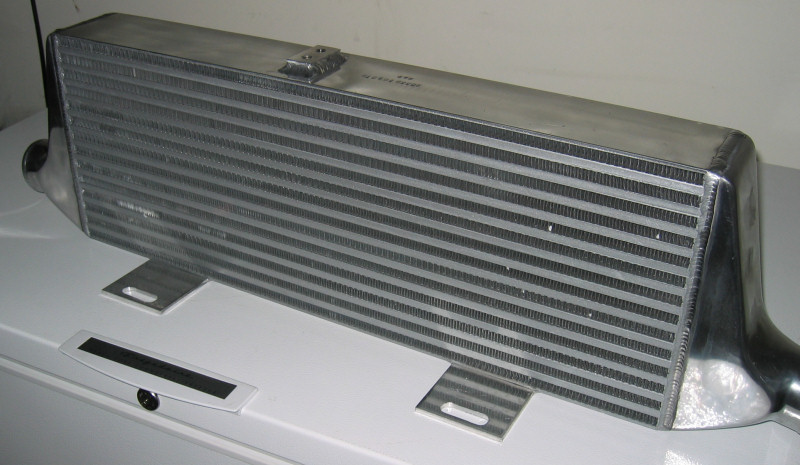
Budget the parts separately. A performance intake is roughly £150–£400; an intercooler upgrade roughly £300–£700 for a typical front-mount kit on a popular model, plus fitting; an emissions-legal performance exhaust roughly £400–£1,000+ depending on brand and material; an uprated clutch, if torque exceeds the standard clutch's capacity, roughly £500–£1,200+ fitted; and a gearbox (TCU) remap roughly £150–£450, often essential on high-torque Stage 2 cars. Add those to the remap fee and a typical Stage 2 total for a popular hatchback or saloon realistically lands around £1,000–£2,500, with performance or less common cars higher. Compare itemised quotes, not stage labels. Also budget follow-on costs: more fuel when driven hard, faster brake and tyre wear, and possibly shorter service intervals.
Stage 3 cost
Stage 3 has no standard price because it has no standard specification. The mapping session alone is advertised from around £350–£450 by some regional tuners and from around £990 for a big-turbo custom session at a VAG specialist. Those figures exclude the hardware, which dominates: a bigger or hybrid turbocharger roughly £800–£2,500+ before fitting; fuel system upgrades several hundred to over £1,000; forged internals, uprated clutch, cooling and braking upgrades each potentially four-figure items — and brakes should not be skipped when power rises substantially. Dyno time at around £100–£200 per hour adds up across iterative sessions.
A complete Stage 3 build on a popular performance car can realistically total £3,000–£8,000+, and serious builds go well beyond that. A single low fixed price for "Stage 3" with no itemised hardware list is almost certainly a Stage 2 file with a Stage 3 label. For most UK drivers, Stage 3 is a project for an enthusiast or second car, not a cost-effective daily-driver upgrade.
Extras that catch people out
A gearbox (TCU) remap matters on many automatics and dual-clutch cars, whose software has torque limits and shift strategies a strong engine map can exceed, causing soft shifts or premature wear. A TCU map raises the torque limit and sharpens shifts to match. Typical prices are around £195 for a basic TCU remap at some specialists and £250–£450 for DSG calibrations at VAG specialists. Ask whether your car needs one; on high-torque cars it is effectively required.
A pre-remap diagnostic scan should be standard, not an upsell. If your car has fault codes, a slipping clutch or a blocked DPF, a good tuner will tell you to fix those first — budget for that repair separately, because remapping around a fault is false economy. Main-dealer servicing or a recall can also overwrite a tuned file with factory software. Some tuners reapply the map free within a period; others charge a reduced fee or full price again. Ask before you book, and get it in writing.
Insurance is the extra cost most often forgotten. A remap must be declared, and the premium may rise — market estimates range from a few percent to 20–40% or more depending on power gain and driver. Get a quote before booking: a £300 remap adding £200 a year to insurance for three years is really a £900 decision. Performance petrol maps calibrated for 97–99 RON fuel also cost more per tank than 95 RON, which adds up over high mileage.
A tuning box (roughly £200–£800) can look cheaper and is easier to remove, returning the car to standard. But it does not recalibrate the ECU, refinement varies widely by brand, and it must still be declared to your insurer. It is also still detectable in some circumstances. For most drivers wanting a properly calibrated result on a supported car, a remap is the better spend. A box makes most sense where remapping is not supported for your ECU, or where easy removal is essential — though on a lease car, check the terms first, since most leases prohibit modifications.
What a good quote should include — and is it worth it?
Before paying a deposit, a proper quote should state the exact service, expected before-and-after power and torque for your engine code (not just a percentage), whether dyno time and diagnostics are included, whether your original file is kept, what happens if a dealer update overwrites the map, what warranty the tuner offers on its own work, and the total price including VAT. Be wary of quotes promising a specific fuel-economy saving, claiming the remap is undetectable, bundling a DPF or EGR delete for a road car, or sitting far below every competitor.
For a healthy turbocharged car, Stage 1 is usually the best value in tuning: a few hundred pounds for a noticeable everyday improvement with no hardware to maintain. Stage 2 is worth it if you already have the hardware, or specifically want more than Stage 1 and accept the parts, insurance and maintenance costs. Stage 3 is worth it only if you want a project car and have budgeted for the full build. Judge value by total cost — remap, hardware, gearbox map, insurance, fuel, servicing and warranty risk — against how much you will enjoy the difference daily. On that calculation, most drivers will find Stage 1 is the sweet spot.
Frequently asked questions
How much does a Stage 1 remap cost in the UK?
Typically around £200–£600, with most mainstream cars in the £250–£500 band. Always get a fixed quote for your registration and engine code.
Why do remap prices vary so much?
Because the job varies: ECU access (OBD vs bench), dyno vs mobile, engine rarity, diagnostics and aftercare included, and location all affect price. A cheap quote skipping diagnostics or using a generic file is not comparable to a full custom session.
Does the Stage 2 price include parts?
Usually not. A quoted "Stage 2 remap" price is often for the software session alone; intake, intercooler, exhaust and clutch can add £500–£2,000+ to the total. Ask for an itemised quote.
How much does a Stage 3 remap cost?
There is no standard price. The mapping session alone is advertised from around £350 to £990+, but hardware dominates, and a complete build commonly totals several thousand pounds.
Do I need a gearbox remap too?
On many automatics and dual-clutch cars, yes — particularly at Stage 2 or where torque rises substantially. Typical TCU prices are around £150–£450.
Is a tuning box cheaper than a remap?
Upfront, often yes — roughly £200–£800 — and easier to remove. But it is not the same as a remap, refinement varies by brand, and it must still be declared to your insurer.
Related reading
- Stage 1 remap pros and cons: the honest 2026 guide
- Will a remap void my warranty? UK manufacturer policies explained