

A Stage 1 remap is the most common first step into car tuning in the UK, and also the most oversold. Ask three tuners what it will do and you may get three different answers: a huge power jump, better fuel economy, and no risk at all. Done properly on a healthy turbocharged car, Stage 1 is usually the best-value performance upgrade available. Done cheaply, on the wrong car, or without telling your insurer, it can become an expensive mistake. This guide gives the honest version.
What a Stage 1 remap actually is
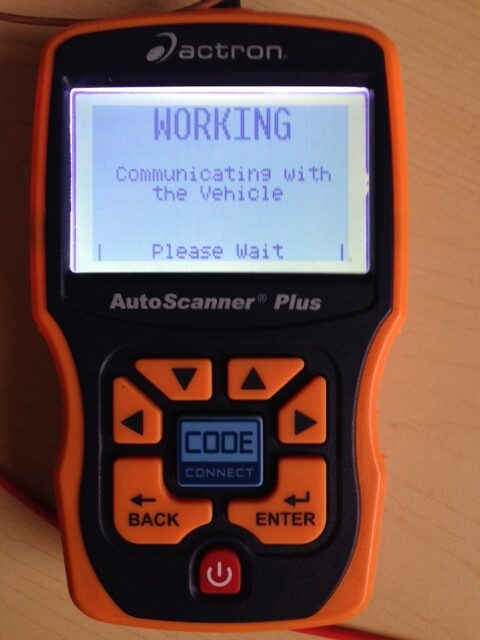
A Stage 1 remap is a software-only change to your car's engine control unit (ECU). No parts are removed or upgraded. The tuner reads the factory calibration, adjusts the tables controlling turbo boost, fuel delivery, ignition timing, torque limits and throttle response, and writes the revised calibration back. On many cars this is done through the diagnostic (OBD) port; on others the ECU must be removed and worked on at the bench.
Stage 1 works within the limits of the standard turbocharger, injectors, intercooler, clutch and cooling system. Manufacturers leave headroom in factory maps because one calibration must cope with poor fuel, extreme climates, long service intervals and emissions rules in many countries. A UK-specific map can use some of that headroom, but a reputable tuner will keep safety limits in place — knock control, temperature protection, boost limits and torque caps — rather than turning everything up. The tuner should keep your original file so the car can be returned to stock. Reversible, however, does not mean undetectable.
The pros
Power and torque where you use it
For a turbocharged petrol or diesel, UK tuners typically quote Stage 1 gains of around 20–35% more power, with torque gains often similar or higher. A turbo diesel is the classic example: extra low-down torque makes the car feel far stronger in everyday driving. A 2.0-litre diesel that felt flat below 2,000 rpm will pull cleanly in a higher gear, overtake with less planning, and tow or carry a full load with less strain.
Peak horsepower makes headlines, but torque between 1,500 and 3,500 rpm is what you feel at a roundabout, on a motorway slip road, or climbing a hill in sixth gear. A good map also sharpens throttle response without making the car jerky in traffic. Naturally aspirated cars are different: without a turbo to raise boost, gains are typically around 10% or less. A tuner promising a transformation on a non-turbo car with software alone should be treated as a warning sign.
Drivability, convenience and value
Many drivers find the car easier to live with after Stage 1: fewer gear changes, less need to drop two gears for an overtake, and a more linear response. For vans and cars that tow, that flexibility may matter more than the headline figure. An economy-biased map can prioritise the same low-down torque for relaxed cruising rather than peak power.
A session usually takes one to three hours, including diagnostics before and after. There are no parts to order and no visible change to the car. Compared with induction kits, exhausts or suspension work, Stage 1 typically delivers the largest noticeable change for the money on a turbocharged car — which is why it is the sensible first step before the hardware and running costs of Stage 2.
The cons
Warranty risk is real
A remap does not automatically cancel every part of your warranty, nor is it safely invisible. If a component fails and the manufacturer can show the remap caused or contributed to that failure, it can refuse that claim. Powertrain parts — engine, turbocharger, gearbox and clutch — carry the highest risk.
Detection is more likely than it used to be. Volkswagen Group dealers have used the TD1 flag since 2013: a mismatch between ECU software and the factory record, found when the car is connected to the manufacturer's online system, can be flagged even after the car is returned to stock. BMW, Mercedes and others run similar calibration checks, including flash counters and checksums. No honest tuner can guarantee a remap will never be detected. If your car is a year old with years of cover left, price that risk in. If it is out of manufacturer warranty, read any third-party warranty's modification exclusions before booking.
Insurance must be told
A remap is a modification, and you must declare it to your insurer. Failing to do so can leave a claim unpaid and, in the worst case, leave you effectively uninsured — a risk that dwarfs any saving from staying quiet. Some insurers treat a modest remap as a small adjustment; others raise the premium materially. Estimates vary widely, from a few percent to 20–40% or more depending on power gain, driver and insurer, so get a quote for your car, in writing, before you commit.
Reliability depends on the car you start with
A remap does not fix a tired car; it exposes it. Higher boost and torque load the clutch, flywheel, turbocharger, cooling system and gearbox. On a healthy, well-serviced car, a conservative map within factory limits is generally well tolerated. On a car with a slipping clutch, a blocked diesel particulate filter (DPF), a sticking exhaust gas recirculation (EGR) valve, worn injectors or overdue servicing, the remap will make problems worse and sooner.
A proper pre-remap health check therefore matters more than the dyno figure. A reputable tuner should scan for fault codes, check live data, and refuse or defer the job if the car is not ready. A tuner who remaps any car without diagnostics, or offers to switch off a DPF or EGR fault rather than fix it, is not doing you a favour. Removing or disabling a DPF or EGR system for road use is illegal in the UK and will fail the MOT; the road-legal route is diagnosis, cleaning or repair.
Fuel economy is possible, never guaranteed
Extra torque can let you change gear earlier, hold higher gears and use less throttle at a steady cruise, and an economy-biased map leans into that. Driven calmly, some drivers see a small improvement, particularly on motorway runs in a diesel. Driven hard, the same car will use more fuel than standard. Most drivers land in between: roughly unchanged, or slightly better on a cruise and slightly worse around town.
If fuel saving is your main goal, compare the remap cost with your annual mileage. A modest saving over 5,000 miles a year may take years to repay the remap; over 25,000 miles it looks very different. Do not buy a performance map and expect economy-map results.
Wear, fuel and resale
Even a conservative remap can shorten the life of marginal components. A standard clutch is the most common example: a large torque increase can turn a clutch with 30,000 miles left into one that slips within months, especially if you tow. Some high-torque automatics also need a gearbox (TCU) remap so the gearbox can handle the extra torque. Performance petrol maps calibrated for 97–99 RON fuel will not deliver their best on 95 RON, so factor that into running costs, and do not stretch servicing: fresh oil, clean filters, good brakes and tyres all matter more on a faster car.
Resale needs thought too. Some buyers want a remapped car with paperwork; others will walk away. Disclose it either way, keep the tuner's invoice and before-and-after figures, and ask whether reapplication is free or charged if a dealer software update overwrites the map.
Who should — and should not — get Stage 1
Stage 1 suits a healthy turbocharged car when you want stronger everyday performance without hardware changes, have checked the insurance cost, accept the warranty trade-off, and will maintain the car properly. It suits towing and motorway driving particularly well.
Wait, or skip it, if the car is under a valuable manufacturer warranty and you cannot afford a refused powertrain claim; if the insurer's quote makes the total cost silly; if the car has warning lights, clutch slip, DPF trouble or overdue servicing; if you drive a non-turbo car and expect a transformation; or if you mainly want fuel savings on very low mileage. A good tuner will tell you when waiting is the better answer.
Choosing a tuner
The tuner matters more than the software brand. Look for experience on your exact engine and ECU, a pre-remap diagnostic check, a map written for your car (not a generic file emailed unseen), your original file kept, realistic gains, and honesty about warranty and insurance. A rolling-road before-and-after run is valuable evidence; if a mobile tuner has no dyno, ask what logging and road testing they do instead. Walk away from anyone promising undetectable remaps, guaranteeing an mpg figure, offering a DPF or EGR delete for road use, remapping a car with active faults, or quoting far below every competitor. Cheap generic files with safety limits removed are rarely worth the risk to an engine costing thousands to replace.
The bottom line
Stage 1 is a genuinely good upgrade when the conditions are right: a healthy turbocharged car, a conservative map from a reputable tuner, declared insurance, and eyes open about warranty. Its real strength is everyday drivability — stronger mid-range torque, sharper response, easier overtaking — not a single peak figure. Its real costs include the insurance change, the warranty risk and the discipline of maintaining a faster car. If any of those is a deal-breaker, waiting is the honest answer.
Frequently asked questions
Is a Stage 1 remap safe for my engine?
On a healthy engine, with a conservative map respecting factory limits and safety systems, Stage 1 is generally considered low-risk by reputable tuners. Risk rises sharply with generic maps, skipped diagnostics, existing faults or aggressive calibrations chasing headline figures.
Will a Stage 1 remap improve fuel economy?
It can, but it is not guaranteed. An economy-biased map and calm driving can help, especially on motorway runs. Hard driving will increase consumption. Treat any guaranteed mpg claim with scepticism.
Can a Stage 1 remap be removed?
Yes — a reputable tuner keeps your original file and can restore it. But restoration does not guarantee it can never be detected: flash counters, checksums and flags such as VW Group's TD1 may still reveal that the software was changed.
Does a Stage 1 remap require premium fuel?
It depends on the map. Many performance petrol maps are calibrated for 97–99 RON and will not deliver their quoted figures on 95 RON. Always follow your tuner's fuel recommendation.
How long does a Stage 1 remap take?
Typically one to three hours, including diagnostics and a test drive or dyno run. Cars needing bench work on the ECU may take longer.
Related reading
- How much does a remap cost in the UK? Stage 1, 2 and 3 prices
- Will a remap void my warranty? UK manufacturer policies explained